

When Do You Need a Licensed Asbestos assessor?
For certain licensed asbestos removal work in Queensland, a Licensed Asbestos Assessor (LAA) must be engaged to carry out statutory air monitoring and issue clearance certificates where required under the Work Health and Safety Regulation 2011.
Licensed Asbestos Assessors are licensed by Workplace Health and Safety Queensland to undertake specific statutory asbestos assessment activities. Depending on the project, these may include asbestos inspections, air monitoring, clearance inspections and issuing clearance certificates. As independent professionals, they verify that asbestos risks have been appropriately assessed and managed. This article explains the role of a Licensed Asbestos Assessor, when one is legally required, and how they help ensure asbestos removal work is completed safely and in compliance with Queensland legislation.
Estimated reading time: 5 minutes
What is a Licensed Asbestos Assessor?
A Licensed Asbestos Assessor (LAA) is a person licensed by Workplace Health and Safety Queensland (WHSQ) to perform specific statutory asbestos assessment activities associated with licensed asbestos removal work.
Unlike an asbestos removal contractor, an LAA does not remove asbestos. Their role is independent. They provide objective assessment, monitoring and verification to help ensure asbestos removal work complies with legislative requirements and that affected areas are safe for normal occupancy when removal has been completed.
Because they act independently of the removal contractor, Licensed Asbestos Assessors provide confidence to property owners, employers, principal contractors and regulators that asbestos risks have been appropriately managed.
When is a Licensed Asbestos Assessor required?
An LAA is legally required for certain licensed asbestos removal work in Queensland.
Where legislation requires independent air monitoring or a clearance inspection, these activities must be undertaken by a Licensed Asbestos Assessor rather than the asbestos removal contractor.
Typical situations include:
- Removal of friable asbestos.
- Some Class A licensed asbestos removal work.
- Projects requiring statutory air monitoring.
- Projects requiring a clearance inspection and clearance certificate before an area can be reoccupied.
Not every asbestos removal project requires an LAA. Requirements vary depending on the type of asbestos being removed, the removal method and the applicable legislative obligations.
What does a Licensed Asbestos Assessor do?
The responsibilities of an LAA can extend throughout an asbestos removal project.
Depending on the scope of work, they may provide:
- asbestos inspections
- risk assessments
- asbestos sampling strategies
- air monitoring
- clearance inspections
- clearance certificates
- technical advice during asbestos removal
- independent verification of asbestos removal work.
Their involvement helps ensure asbestos removal is monitored independently from commencement through to project completion.
Air monitoring
Air monitoring measures airborne asbestos fibres during asbestos removal work.
It is important to understand that air monitoring does not determine whether a material contains asbestos. Instead, it measures the concentration of airborne fibres to help verify that control measures are effectively protecting workers and surrounding occupants.
Where required by legislation, air monitoring must be undertaken by a Licensed Asbestos Assessor using approved methods and analysed by an appropriately accredited laboratory.
Clearance inspections and clearance certificates
Following licensed asbestos removal work, the work area may require a formal clearance inspection.
During a clearance inspection, the Licensed Asbestos Assessor carefully examines the removal area to confirm that:
- all visible asbestos waste has been removed
- the area has been adequately cleaned
- asbestos removal work appears complete
- air monitoring results (where applicable) satisfy legislative requirements.
Once satisfied that legislative requirements have been met, the LAA may issue a Clearance Certificate.
The Clearance Certificate provides documented confirmation that the area has successfully completed the statutory clearance process and may be safely reoccupied where applicable.
Why is independence important?
One of the most important aspects of the Licensed Asbestos Assessor’s role is independence.
The assessor provides an objective opinion separate from the asbestos removal contractor.
This independent verification gives confidence to:
- building owners
- employers
- project managers
- government agencies
- contractors
- occupants.
Independent oversight also helps demonstrate that asbestos removal has been assessed against legislative requirements rather than commercial interests.
When should you engage a Licensed Asbestos Assessor?
Many clients engage an LAA before asbestos removal begins.
Early involvement allows potential issues to be identified before work starts and helps ensure appropriate monitoring, inspections and statutory requirements are planned into the project.
An LAA may be involved in:
- commercial refurbishment
- demolition projects
- government buildings
- schools
- hospitals
- industrial facilities
- residential projects involving licensed asbestos removal.
Early engagement can also reduce delays by ensuring legislative requirements are addressed throughout the project rather than at the end.
Choosing a Licensed Asbestos Assessor
When selecting an asbestos consultant, consider whether they:
- hold a current Queensland Licensed Asbestos Assessor licence
- have experience with projects similar to yours
- provide independent services
- understand current Queensland legislation
- produce clear and practical reports
- communicate effectively with clients and contractors.
Choosing an experienced Licensed Asbestos Assessor helps ensure asbestos risks are managed safely, independently and in accordance with legislative requirements.
References & Further Reading
- Queensland Government – Work Health and Safety Regulation 2011 (Qld)
https://www.legislation.qld.gov.au/view/html/inforce/current/sl-2011-0240
(Primary legislation governing asbestos management, licensed asbestos removal and asbestos assessor requirements in Queensland.) - Queensland Asbestos Safety – Legislation and Codes of Practice
https://www.asbestos.qld.gov.au/general-information/legislation-and-codes-practice
(Overview of Queensland asbestos legislation and approved Codes of Practice.) - Code of Practice – How to Safely Remove Asbestos (2021)
https://www.asbestos.qld.gov.au/general-information/legislation-and-codes-practice
(Practical guidance for the safe removal of asbestos in accordance with the Work Health and Safety Regulation.) - Code of Practice – How to Manage and Control Asbestos in the Workplace (2021)
https://www.asbestos.qld.gov.au/general-information/legislation-and-codes-practice
(Guidance for identifying, managing and controlling asbestos risks in workplaces.) - Queensland Asbestos Safety – Practical Guidance
https://www.asbestos.qld.gov.au/practical-guidance
(Guidance for property owners, PCBUs, tradespeople, licensed asbestos assessors and asbestos removalists.)
This article provides general information only and should not be relied upon as legal or professional advice. Legislative requirements may vary depending on the circumstances of your project. If you require project-specific advice, contact a Licensed Asbestos Assessor.
Related Articles
You might also find these articles interesting….
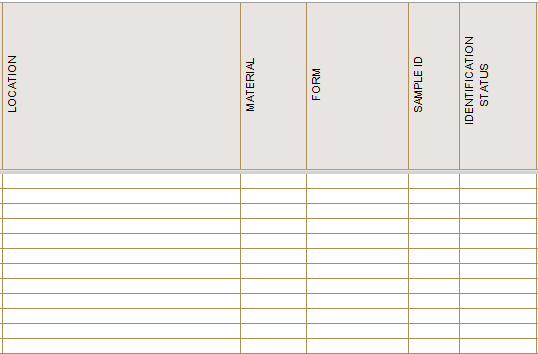
What is an Asbestos Register?
Understand when an asbestos register is required, what it should contain and who is responsible for maintaining it.
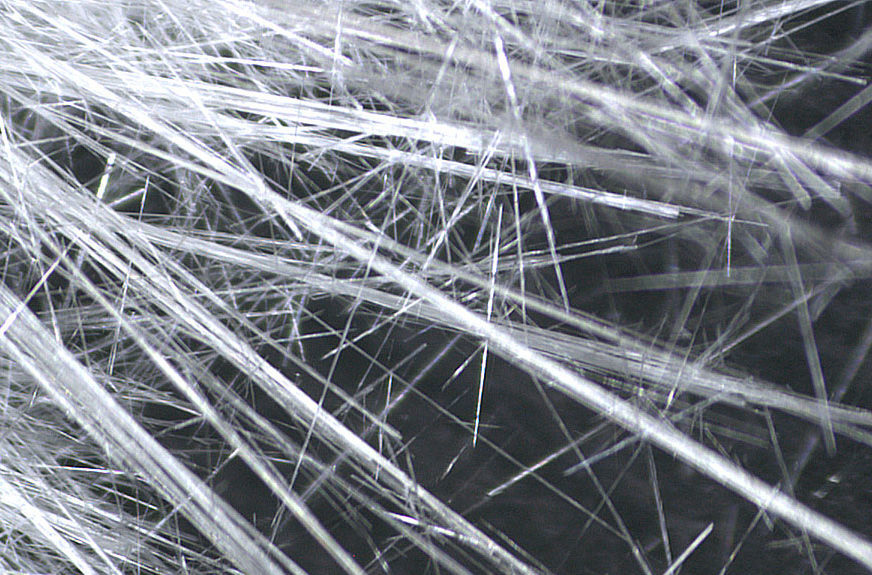
Friable vs Non-Friable Asbestos
Learn the difference between friable and bonded asbestos and why it matters during inspections and removal.
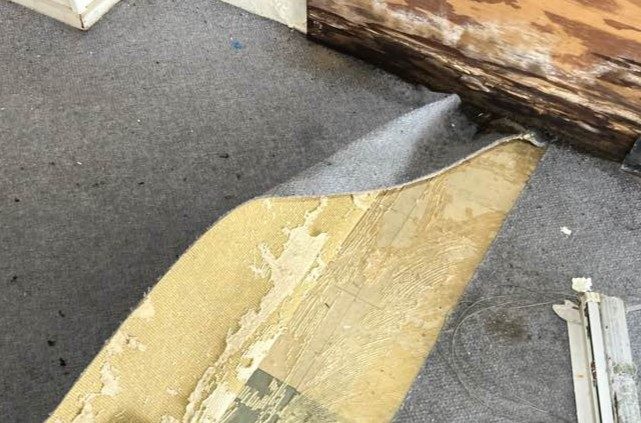
Refurbishment & Demolition Surveys
Why additional surveys are required before renovation or demolition work begins.
Explore how Hazmat and Safety can make your Asbestos Compliance simple